The considered bedroom · A guide to materials and support
Natural Materials, Lasting Support: Choosing an Organic Sleep Surface
The appeal of an organic mattress is about more than a clean, quiet-looking bedroom. It is an invitation to examine what lies beneath the cover: the materials that meet the body, the structure that supports it, and the details that shape warmth, movement and long-term comfort. A thoughtful choice begins not with the word “luxury,” but with an understanding of how a sleep surface is made—and how that construction may suit the way you rest.
A practical, independent-minded guide to organic mattress materials, construction and everyday fit.
A more considered definition of luxury
Luxury in the bedroom is often presented as a mood: immaculate linens, generous proportions, a sense of ease. But when it comes to a mattress, the feeling of quality is also built layer by layer. The cover, comfort materials, support core, edge construction and foundation all contribute to the experience. A refined appearance may set the scene; the internal design determines what happens once the lights are out.
Organic mattresses are often made with materials such as latex, cotton and wool. These materials have different properties, and their performance depends on how they are processed, layered and combined. Latex can provide buoyant, responsive cushioning. Cotton is commonly used in covers and batting. Wool may add loft and help manage moisture and warmth. None is a universal solution, and the word “natural” alone does not tell you how a mattress will feel.
The most useful approach is to treat an organic mattress as a system. Ask what each layer does, how thick it is, whether the feel can be adjusted, and how the support core relates to your body and preferred sleeping position. Once the construction is legible, comparisons between premium sleep products become less about atmosphere and more about informed choice.
Start with the layers, not the label
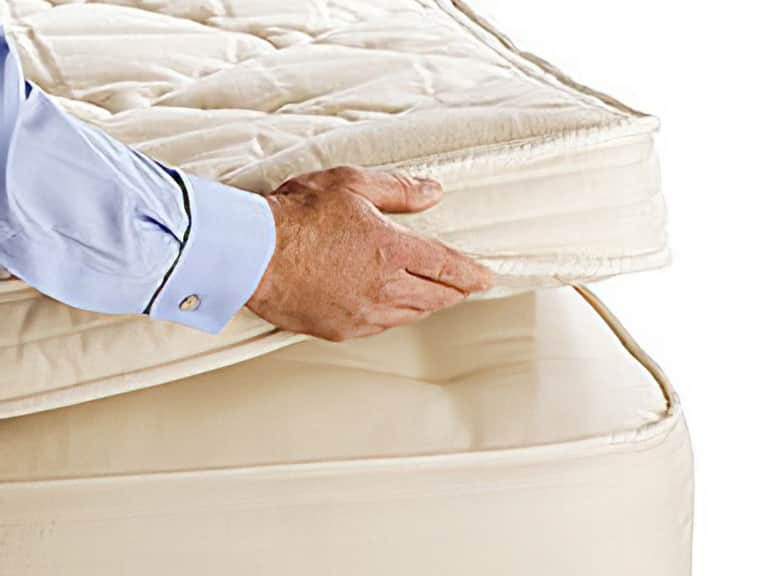
A mattress may have a beautifully worded description, but the details that matter most are concrete. Look for a layer-by-layer account of the materials and their placement. A cotton cover has a different role from a wool comfort layer; a latex surface layer does not perform the same function as a coil unit beneath it. Each component contributes to the overall feel, and the interactions between them are just as important as the materials themselves.
When a product description is vague, useful questions include: What is the support core made of? How much latex is used, and where? Is the wool quilted into the cover or placed as a separate comfort layer? Can the mattress be opened for adjustment? Does the construction differ by size or firmness option? Specific answers make it easier to determine whether a design matches your expectations.
- Cover: The surface fabric affects hand-feel, breathability and the way the mattress is finished.
- Comfort layers: These influence initial softness, pressure relief and how readily the surface responds to movement.
- Support core: This is the structural foundation of the mattress and has a major role in overall support and stability.
- Quilting and upholstery: These details can change the feel at the surface and help hold layers in place.
- Foundation requirements: A suitable base helps the mattress perform as intended and may affect warranty coverage.
Construction is also a useful check against broad claims. “Cooling,” “pressure-relieving” and “supportive” can describe different experiences for different people. A detailed specification cannot predict your personal comfort with certainty, but it offers a more reliable starting point than a string of superlatives.
Natural materials, distinct personalities
Latex: responsive, buoyant comfort
Latex is valued for a springy, buoyant response. Rather than slowly enveloping the body in the manner associated with some foams, it tends to compress and recover more readily. That distinction can matter to sleepers who prefer to feel supported near the surface, or who want to change position without feeling deeply cradled. Latex can be used in a comfort layer, a more substantial mattress layer, or as part of a hybrid design.
Not all latex mattresses feel alike. Firmness, thickness, density, processing and the layers surrounding the latex all make a difference. A thin latex layer over a firm core may feel quite different from a deep latex comfort system. Ask for the construction specifics, and—where possible—test the mattress in your usual sleeping position rather than judging it with a quick sit on the edge.
Cotton: a familiar foundation for the surface
Cotton is frequently found in mattress covers and quilted layers. It contributes a soft, familiar textile quality and can be part of a breathable cover design. Its effect depends on the weave, weight and materials beneath it; a cotton cover does not, by itself, determine the temperature or firmness of the mattress. Look at the whole surface assembly rather than assuming that a single fiber guarantees a particular sleep climate.
Wool: loft and moisture management
Wool may appear in quilting or as a layer within a mattress. Its natural crimp gives it loft, while the structure of the fiber can help manage moisture and contribute to a balanced feel. Wool blends vary, and their role depends on quantity, placement and the other materials in the mattress. If you have specific sensitivities, check the manufacturer’s full materials information and consider whether the construction meets your needs.
Natural materials can offer appealing tactile and performance qualities, but they should not be treated as a guarantee of a particular result. Climate, bedding, sleepwear, body temperature and individual preference all influence how a mattress feels overnight. The right question is not whether a material is inherently superior, but whether its characteristics make sense for your circumstances.
Support is personal, not simply firm
Firmness is one of the first details shoppers notice, yet it is not synonymous with support. A mattress can feel firm at the surface without providing a comfortable fit for every sleeper. Support is better understood as the way the mattress accommodates the body while keeping the sleeper in a comfortable, sustainable position. The outcome depends on the sleeper’s build, posture, preferred position and the design of the mattress.
Side sleepers often pay close attention to cushioning at the shoulder and hip, where pressure can concentrate. Back sleepers may prefer a surface that feels stable while still allowing the lower body to settle naturally. Stomach sleepers commonly look for a more supportive feel that helps prevent excessive sinking through the midsection. These are starting points, not rules: two people who sleep in the same position may have very different comfort needs.
For couples, the question becomes more layered. Consider motion transfer, edge support, different firmness preferences and whether the mattress offers separate comfort choices on each side. A split or dual-firmness option may be worth investigating when preferences differ, though a couple should verify exactly how the configuration works for the size they intend to buy.
When testing a mattress, spend several minutes lying in your usual position. Notice whether pressure builds at the shoulder, hip or other contact points; whether changing position feels easy; and whether you feel supported rather than held in an awkward posture. A showroom trial is not a perfect replica of a full night, so also review the home trial terms, return conditions and any related fees before purchasing.
Temperature is a system, too
People often search for a cooling mattress, but temperature comfort is rarely the result of one ingredient. It is influenced by mattress layers, airflow through the construction, room temperature, humidity, sleepwear, sheets and the amount of heat a sleeper retains. A breathable cover may be useful, yet the layers underneath and the bedding above it still matter.
Latex, wool and cotton can each play a part in a sleep surface designed with comfort and moisture management in mind. How well that system works depends on the complete build. A thick comfort layer, a tightly enclosed design or a dense bedding ensemble may alter the experience. If you tend to sleep warm, look for clear information about the material stack, cover and support core, then evaluate the mattress together with the sheets and mattress pad you plan to use.
It is also worth distinguishing “temperature regulating” language from a promise that a mattress will feel cool in every room. No material can remove the influence of a warm bedroom or heavy blankets. The more useful goal is a sleep environment that feels balanced for you, with layers that allow comfort without trapping an unwanted amount of warmth.
What organic means—and what to verify
“Organic” is a meaningful search term, but it is not a substitute for examining the product’s documentation. Certifications can apply to particular materials, manufacturing steps or finished products; their scope is not always identical. Before buying, identify which components are certified, which standard is named, and whether the certification applies to the mattress as a whole or to specified materials within it.
For a claim to be useful, it should be clear and verifiable. Look for the certifying body, the specific standard and a current certificate or product-level reference where available. Ask the maker to clarify any ambiguity. A mattress that combines natural and synthetic components may still suit a shopper’s needs, but the composition should be described plainly so that the decision is based on accurate expectations.
It is also sensible to review the full material list, care instructions and warranty terms. Organic status does not automatically mean a product is appropriate for every allergy, sensitivity or health concern. If you have a specific medical or environmental concern, consult a qualified professional and contact the manufacturer for precise product information rather than relying on general category language.
A closer look at a hybrid example
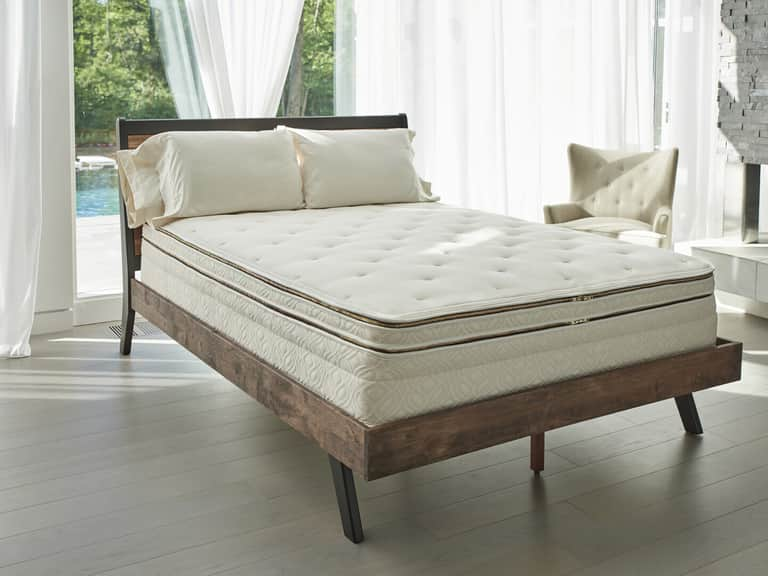
One example of the layered approach is the Naturepedic Arcadia Hybrid Organic Mattress. Its listed construction includes a 13-inch profile, six inches of organic wrapped coils and six inches of organic Dunlop latex, with firmness choices. The listing also describes a wool blend layer containing organic wool, alpaca and cashmere, and notes that the components are enclosed in a zippered cotton cover. For Queen, King and California King sizes, it lists the possibility of customized firmness by side.
Those details offer a useful illustration of how to read a premium mattress specification: distinguish the support system from the comfort layers, note the height and cover, and check whether personalization is available in the size you need. They do not establish that the mattress will suit every sleeper. Anyone considering it should confirm current materials, certification details, available configurations, delivery terms and trial or return policies directly before making a decision.
A hybrid can appeal to shoppers who want the combination of a coil-based support core and the buoyant feel of latex. The balance, however, depends on the exact design and firmness chosen. If you are deciding between a hybrid and an all-latex or innerspring model, compare the construction in equivalent detail rather than treating category names as a promise of comfort.
Durability, care and the life of a mattress
Long-lasting support is not simply a matter of choosing the most expensive model or the thickest comfort layer. Materials, construction, use, maintenance and foundation all play a role. A well-made mattress should be assessed in terms of how it is assembled and supported, what the manufacturer says about care, and how the warranty defines defects. A warranty is not the same as a guarantee of comfort or a forecast of a specific lifespan.
Before purchase, confirm whether the mattress is one-sided or designed to be turned, whether rotation is recommended, and what kind of base it requires. Follow care instructions for cleaning and protection; avoid assumptions about washing a cover unless the label explicitly permits it. A fitted protector can help limit exposure to spills and everyday wear, but choose one that fits securely and does not noticeably change the surface feel.
For a substantial mattress, practicalities matter. Check dimensions, room access, stairways, bed-frame compatibility and delivery arrangements. Natural and hybrid constructions can be heavy, and some products require particular handling. These are not glamorous considerations, but a smooth delivery and a suitable foundation are part of a genuinely well-considered purchase.
A refined checklist for choosing well
Before comparing prices or choosing a finish, use a short list of questions to bring the decision back to your needs:
- How do I sleep most often? Consider side, back, stomach or combination sleeping, while leaving room for individual comfort.
- What kind of feel do I prefer? Decide whether you like buoyant responsiveness, a close contour, a plush surface or a firmer, more stable feel.
- What is in each layer? Request a clear breakdown of cover, comfort materials, support core and upholstery.
- Which certifications apply? Confirm the named standards and the specific materials or product components they cover.
- How will it fit my bedroom? Check mattress height, foundation compatibility, frame dimensions and access for delivery.
- Can my household customize the feel? Investigate dual firmness, split configurations and size-specific options where relevant.
- What happens after delivery? Read trial, return, warranty, care and transportation terms before committing.
Keeping notes can make showroom visits and online comparisons more useful. Record the model, construction, firmness option and the sensations you noticed. “Comfortable” is a helpful first impression; remembering whether the shoulder felt cushioned, the surface responded quickly or the edge felt stable gives you more to compare later.
A sleep surface, chosen with intention
The enduring appeal of natural materials lies in their character and the possibility of a carefully assembled sleep environment—not in a claim that one fiber, label or price point can solve every comfort question. Latex, cotton and wool each bring distinct qualities. Their contribution depends on the layers around them, the core beneath them and the person resting above them.
For shoppers exploring organic mattresses and luxury mattresses alike, the clearest path is a little patient investigation. Read the specification. Ask what certifications cover. Match the construction to your preferred feel and sleeping position. Consider temperature, care, foundation and household needs together. A mattress earns its place in a bedroom not through language alone, but through a thoughtful relationship between materials, support and everyday use.
That is the quieter definition of premium sleep: not excess, but discernment—a sleep surface whose materials and construction make sense for the person who will live with it, night after night.
Frequently asked questions
Are organic mattresses always made entirely from natural materials?
Not necessarily. Product compositions vary, and the term “organic” may relate to particular components or certifications. Review the complete material list and verify which parts of the mattress are covered by any named standard.
Is latex a good choice for every sleeping position?
Latex has a responsive, buoyant feel that some sleepers enjoy, but comfort depends on firmness, layer thickness, body shape and personal preference. Try to assess a mattress in your usual sleeping position and review the trial terms before purchase.
Does a natural-material mattress sleep cooler?
Materials such as cotton, wool and latex can contribute to a breathable, moisture-aware construction, but the overall feel also depends on the mattress design, bedding and bedroom conditions. No single material guarantees a cool night for every sleeper.
What should I compare when considering a premium mattress?
Compare the full layer breakdown, support core, firmness options, certifications, foundation requirements, care instructions, warranty and return policy. A detailed construction description is more useful than a broad luxury claim alone.