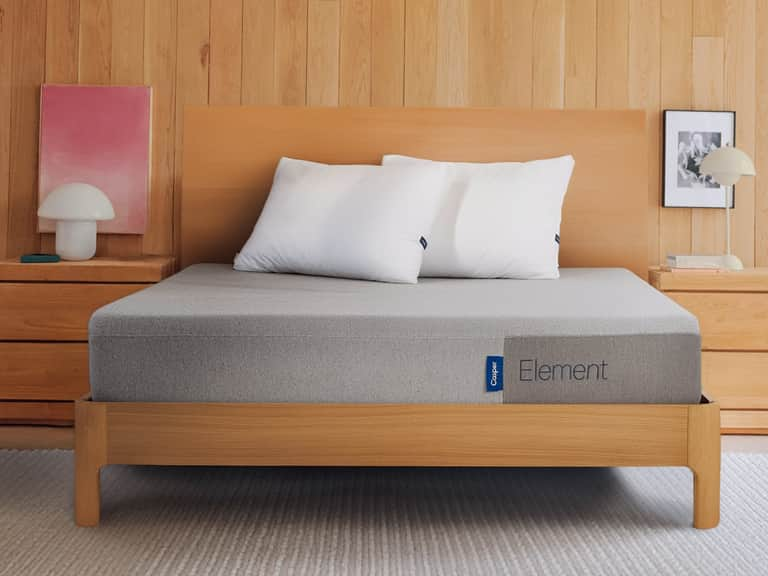
Foam mattresses are constructed to provide balanced support and pressure relief, combining layers of viscoelastic or nuanced polyurethane foam to adapt to body contours. This category highlights foams designed for durability, motion isolation, and conforming comfort, with emphasis on how different densities influence support zones and longevity.
Key features to consider include foam density, transition layers, and cooling properties. High-density memory foam offers lasting contouring and support, while proprietary open-cell foams promote airflow. Understanding firmness ratings in relation to weight and sleeping position helps determine suitability for back, side, or stomach sleepers.
The Element Mattress exemplifies how foam technology translates into practical benefits: layered comfort supports spinal alignment, reduces pressure points, and minimizes partner disturbance through effective motion isolation. Its design may integrate a breathable cover, zoned support, and recycled or antimicrobial materials for hygiene and longevity.
In evaluating foam mattresses, users should examine durability indicators such as indentation load-deflection (ILD) and compression testing, along with certifications likeCertiPUR-US or Oeko-Tex for content safety. These criteria help assess environmental responsibility, toxin-free materials, and long-term performance in daily sleep routines.
This category also intersects with complementary bedding materials, including memory foam pillows, organic mattresses, and breathable sheets. By understanding how foam interacts with toppers, bases, and cooling accessories, sleepers can optimize comfort, posture, and overall sleep quality across diverse preferences and bed constructions.
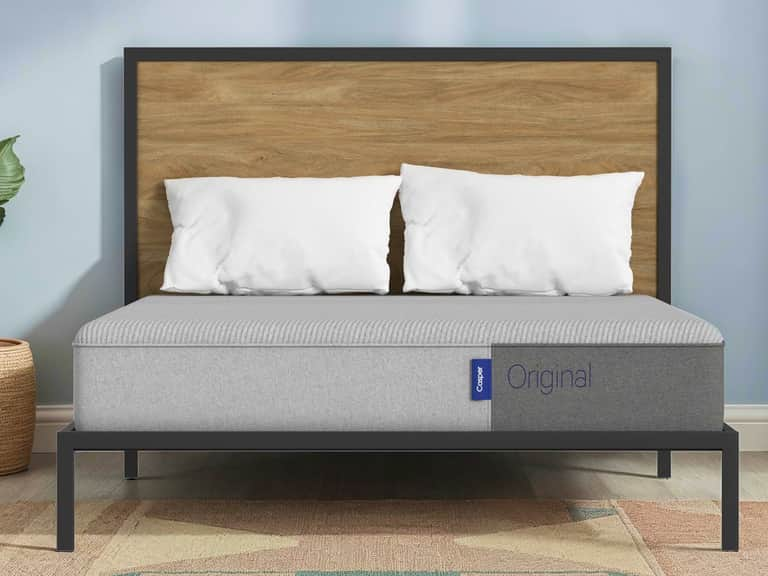 Mattresses